KLIA 1 Central District Cooling Plant
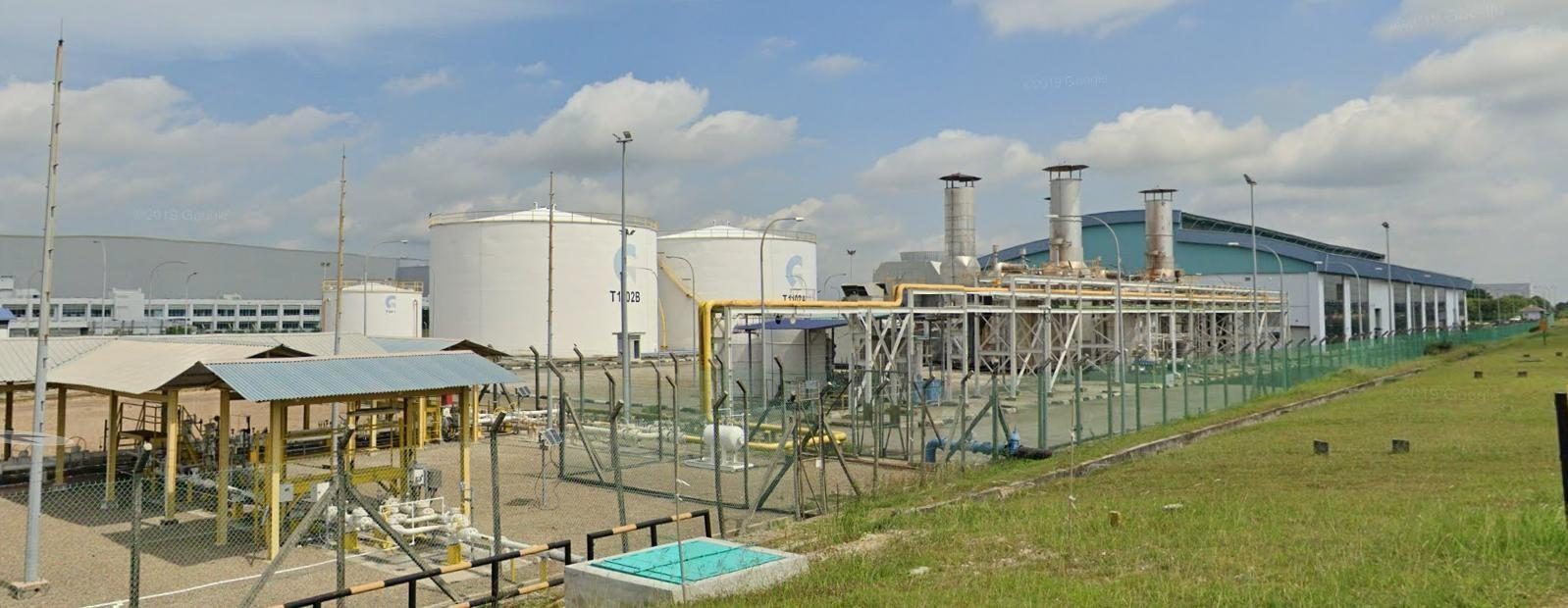
Sepang, Selangor
Scope of works
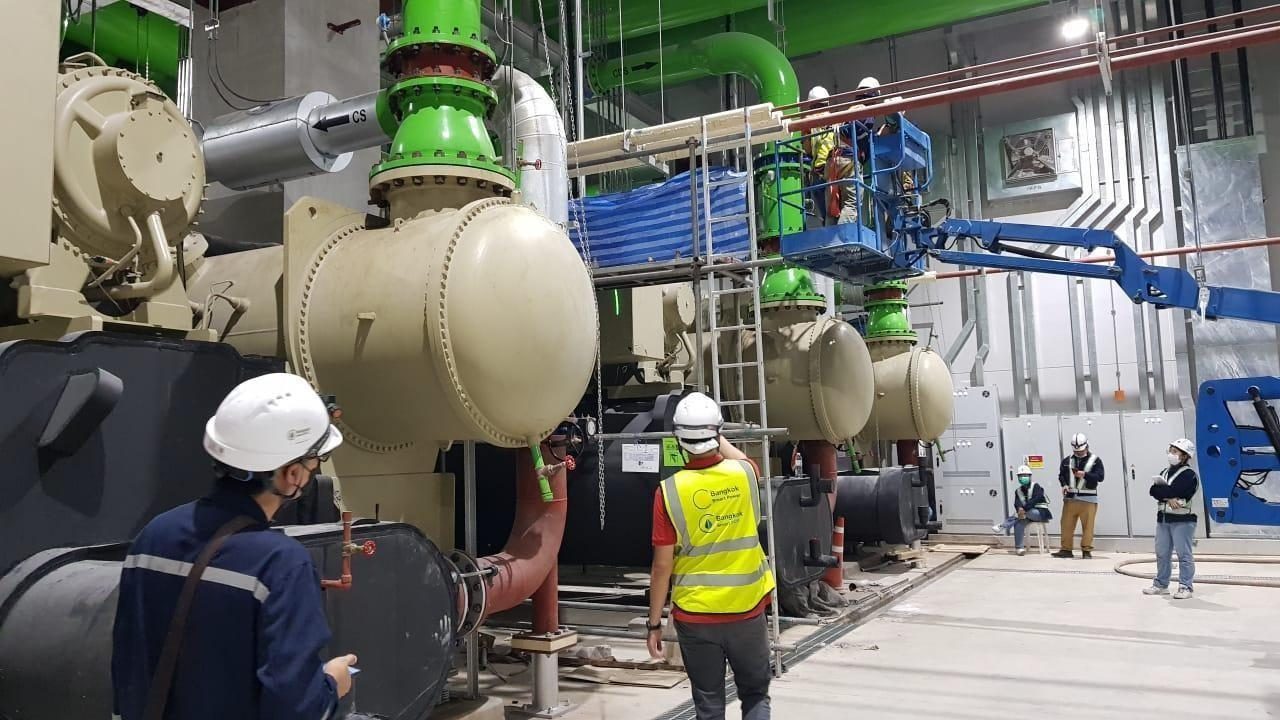
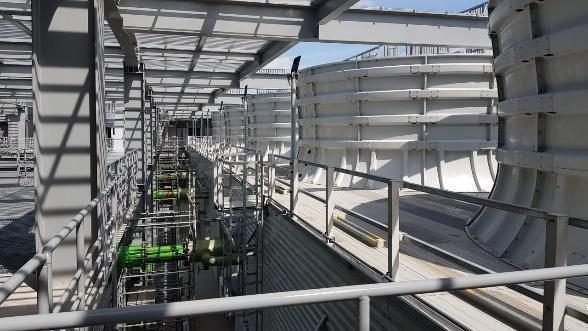
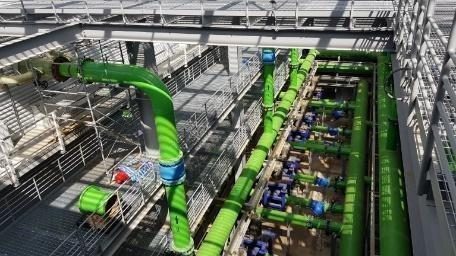
Retrofit of the central district cooling plant and the energy transfer stations across the KLIA 1 buildings, complete with energy billing meters.
An airport cannot pause for a plant retrofit. The KLIA 1 works covered both ends of the system — the central district cooling plant and the energy transfer stations inside the terminal buildings — with the changeover staged so that cooling to an operating international airport was never interrupted.
Energy billing meters at the transfer stations define where the plant's responsibility ends and each building's begins, which matters as much operationally as it does commercially when the consumer is a facility that runs twenty-four hours a day.
Technical particulars
- Scope
- Central plant retrofit + energy transfer stations
- Metering
- Energy billing meters
What this kind of commission involves
A district cooling or co-generation commission runs from load modelling and commercial feasibility through to a plant that has to hold its output for twenty-five years. The engineering divides into three parts that are usually contracted separately but must be designed as one system: the central plant, the reticulation between plant and buildings, and the energy transfer station inside each connected building where the cooling is measured and sold.
Disciplines engaged
- Cooling load modelling, diversity analysis and plant staging strategy
- Chiller selection — electric centrifugal, steam or hot water absorption
- Thermal energy storage sizing and charge/discharge control (ice or chilled water)
- Primary, secondary and condenser water hydraulics; pump selection and speed control
- External chilled water reticulation — routing, sizing, expansion and thermal loss
- Energy transfer station design, heat exchanger selection and control valve authority
- Energy billing metering, measurement boundary and tariff structure
- High voltage intake, standby generation and plant electrical distribution
- Plant automation, sequencing, trending and operator interface
- Testing, commissioning and performance verification against contract kW/RT
What we watch for
The failures that recur on this building type, and where we look for them.
- Low delta-T on the consumer side, which quietly destroys plant efficiency and loop capacity
- Optimistic connected-load forecasts leading to plant that spends its life at part load
- Metering boundaries left undefined until the first disputed invoice
- Storage sized in tons instead of ton-hours, so the peak is never actually shifted
The following describes the standard engineering scope for this sector. The specific scope of any individual commission is set by its brief and contract.
Project location
Sepang, Selangor
Open in Google Maps