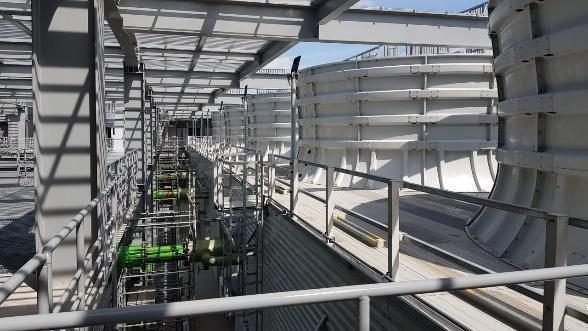
A new-build chiller plant is a design problem. A retrofit is a logistics problem wearing a design problem's clothes. The tenants stay, the building keeps trading, and the plant room you are working in was laid out three decades ago by someone who never imagined it would be emptied and refilled.
What actually drives the programme
- Rigging route — can the new chillers physically reach the plant room? Lift dimensions, door openings, structural slab capacity and crane access frequently determine machine selection before efficiency does.
- Cooling continuity — what carries the load while units are down? Options are staged changeover, temporary chillers on hire, or in some buildings a connection to a district cooling supply.
- Electrical capacity — a modern high-efficiency machine may have a different starting characteristic and switchgear requirement than what it replaces.
- Noise and vibration windows — most of the disruptive work will happen outside trading hours, and that has to be priced.
- Statutory and landlord approvals — refrigerant handling, hot works permits, and building management requirements all consume programme.
Three routes we have taken
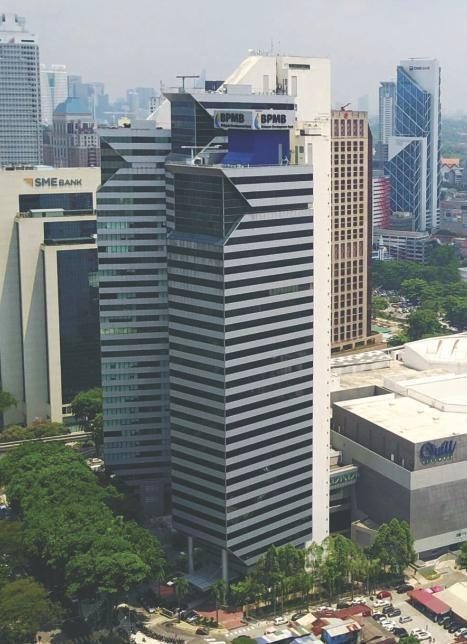
High-efficiency replacement in place. At Menara Bank Pembangunan we refurbished the centralised air-conditioning system with a high-efficiency chiller plant and added a new building automation system — a straight capability upgrade with controls brought up to match.
Retrofit to a different system type. At the Malaysia Airlines Academy building we retrofitted using a new VRF/VRV system alongside the existing chilled water supply from the DCS plant, which suits buildings with fragmented occupancy patterns where central plant runs inefficiently at low load.
Delivery through an energy performance contract. At Bangunan KWSP Peladang (PPNK) in Alor Setar, the air-conditioning upgrade was delivered under an EPC, where the works are funded against measured energy savings rather than a capital vote.
Where energy performance contracting fits
An EPC shifts the funding problem: instead of finding capital for a replacement, the owner pays out of the savings the replacement produces. It only works where savings can be measured credibly, which means the measurement and verification protocol — baseline, boundary, adjustment for weather and occupancy — has to be agreed before anyone signs. That is engineering work, and it belongs in the consultant's scope, not in an afterthought.
A minimum retrofit checklist
- 1Measure the existing plant in service before designing the replacement — nameplate data is not performance data.
- 2Survey the full rigging route end to end, including the removal of the old machines.
- 3Agree the temporary cooling strategy and who pays for it, in writing.
- 4Check incoming electrical capacity and switchgear condition, not just the chiller rating.
- 5Specify the measurement and verification method up front if savings are contractual.
- 6Plan commissioning around real building load, not an empty building in a shutdown week.
This note is general technical information, not project-specific engineering advice. Design decisions should be made against your own load data, site conditions and the statutory requirements applicable to your project.